rUSH bAKERY
vr GAME DEVELOPMENT
Hover me! >>
#gAME DESIGN
#vISUAL PROGRAMMING
#uNREAL eNGINE
Rush Bakery is an VR game developed with Unreal Engine 5.1 during my second year at Lingnan University.
This is my first experience in game development, which taught me the basic workflow of digital production.
This project challenged me to build core VR mechanics — such as actor communication, trigger volumes, and item verification systems — wrapped in a fun bakery management loop where players pick up objects and satisfy customer orders.
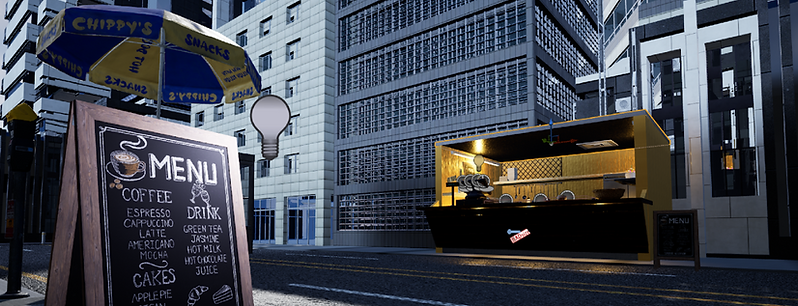
The process starts with conceptual design. First, start with questions such as what's fun and viable for production regarding timeframe and learning curve.
We first drafted the expectations for the game's look, and player UI, have a clear concept for what the players should see and what the whole environment should look like.


Utilizing Quixel Megascans and Sketchfab, we built the game environment based on our designs, creating the game space before implementing gameplay functions and mechanics.


After the environment design is done, we moved onto the programming phase.
We agreed that we require the following:
- Player interaction with items (grab and drop, collisions)
- BP communication (assign values, interaction detection)
- Controller modifications
We created a flowchart for reference.

After that, we proceed to implement the system.
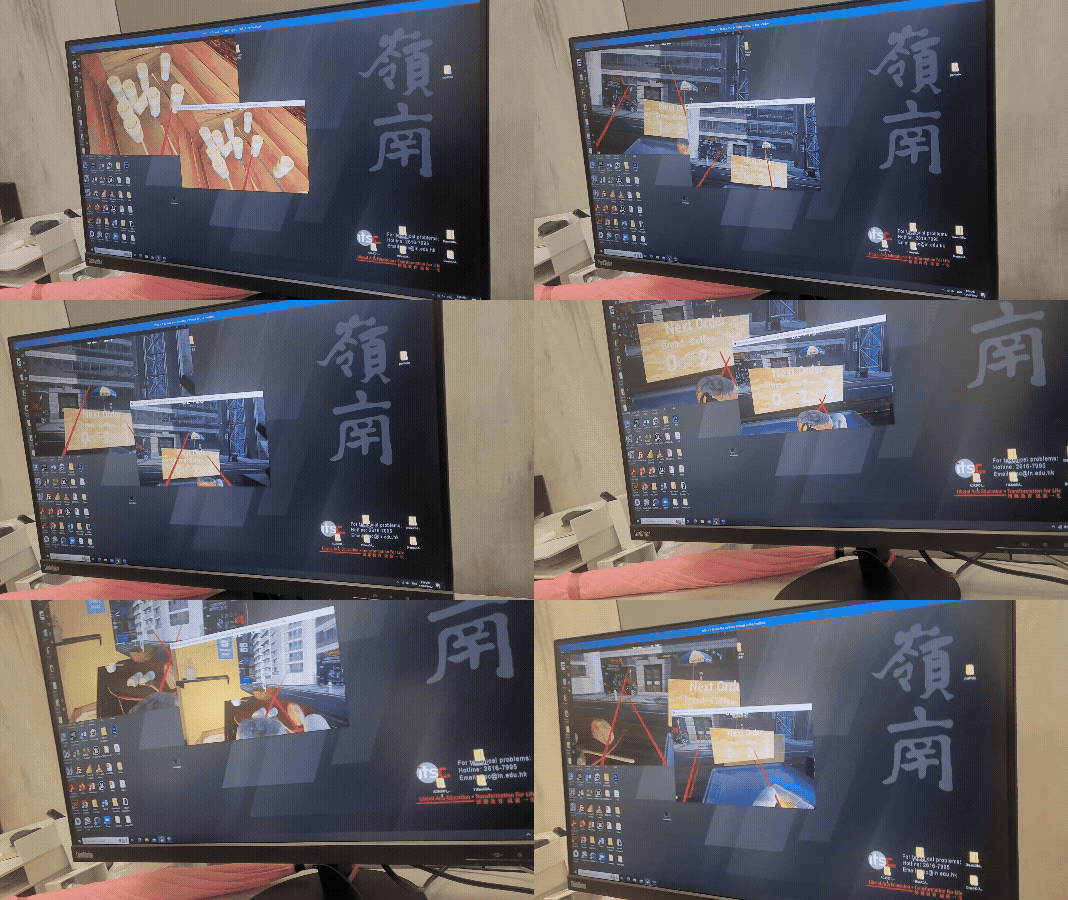
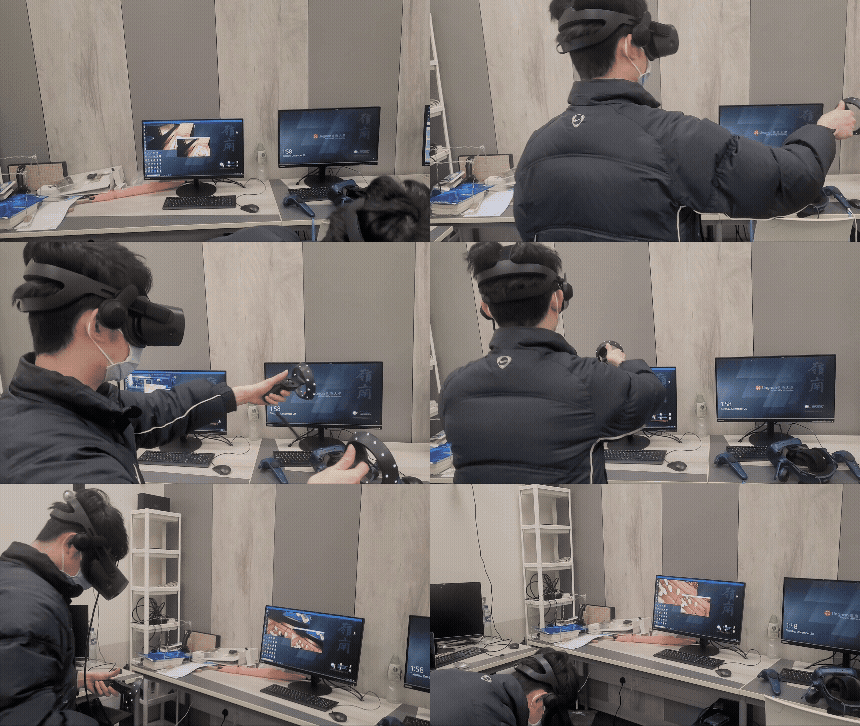
Two main focuses are the base game programming and the VR system (headset and joystick) interaction.


We finalized the game and tested its functionality.
Although we could work more on game optimization and ergonomics, we achieved what we originally planned and concluded our project.
Self-reflection
Rush Bakery was a humbling first step into Unreal Engine and VR development.
From this experience, I learned that good time management starts before opening the engine. Being familiar with the tools and having a clear plan could save a lot of time, keep the development on track, and reduce the need for trial and error.
It is also important to love what you make, have curiosity, and genuinely learn to enjoy playing VR games yourself. This helped me turn a steep technical learning curve into an exciting process.
Overall, this project shifted my mindset. It taught me that creating a successful digital experience isn't just about making nice 3D assets and technical knowledge — it requires thoughtful planning, tool mastery, and a genuine appreciation for how people interact with the product you are creating.
Credits:
Game Programmer:
RUIZ HURTADO Christian Imanol
3D Assets/ UI Programmer:
Harry Zeng


